Introduction
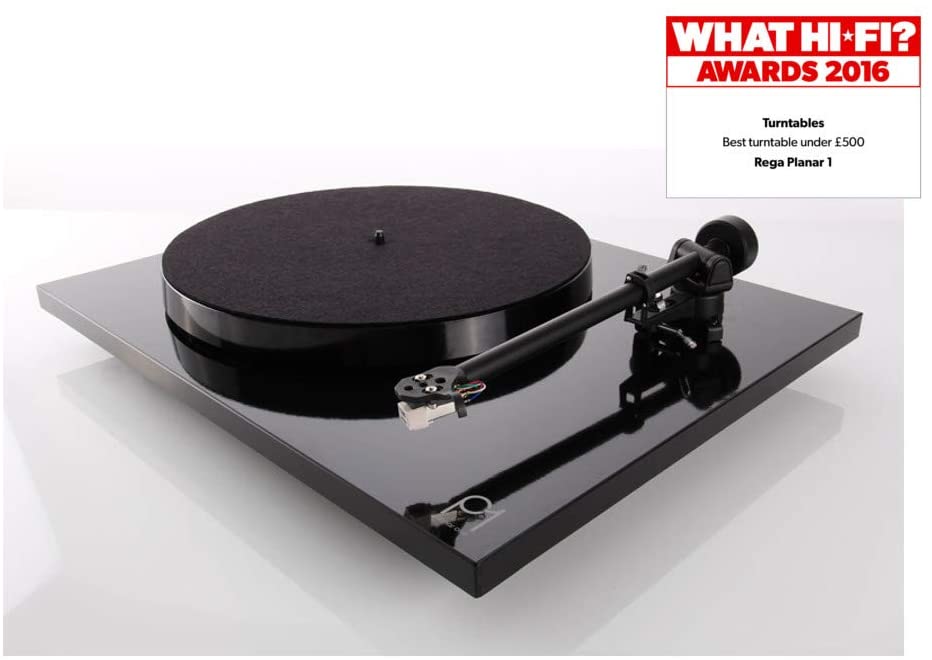
The Rega Planar 1 Record Player is a manual belt-drive hi-fi turntable aimed at buyers taking their first serious step into vinyl separates. It suits listeners who want a simple, sound-focused deck rather than an all-in-one record player with speakers, Bluetooth or USB.
Watch the product video
This is the standard Planar 1, not the Planar 1 Plus. That distinction matters because this model outputs a phono-level signal and needs an MM phono stage or an amplifier with a suitable phono input.
Its appeal is straightforward: Rega has removed much of the setup complexity while keeping the core turntable design deliberately mechanical. Buyers who value convenience features above all else may find it too sparse, but those building a proper hi-fi system are its natural audience.
Design and build
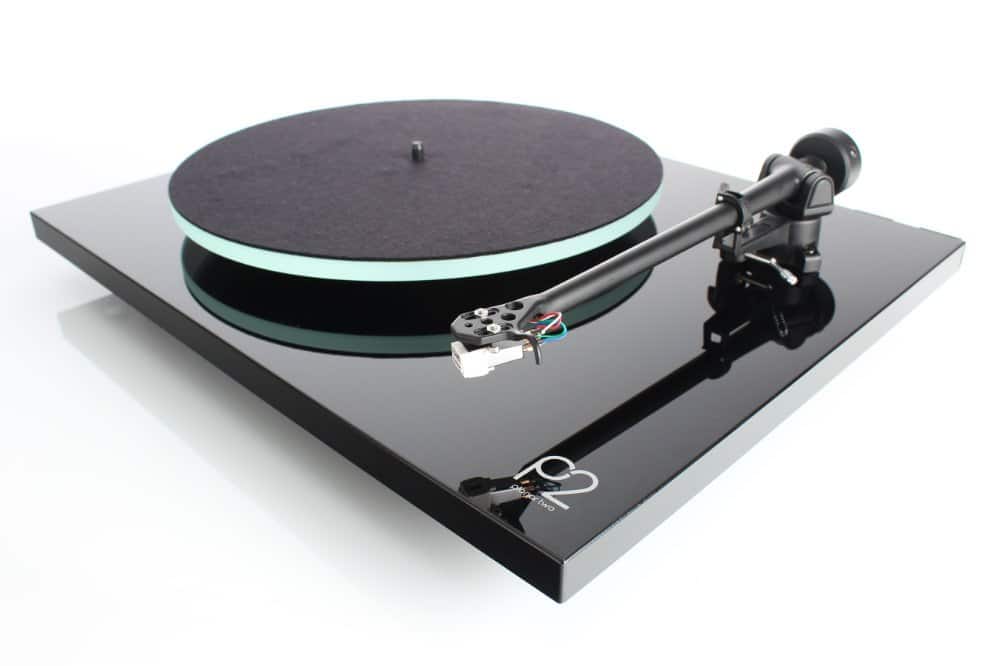
The Planar 1 has a clean, minimalist appearance with a low-profile plinth and uncluttered top surface. Rega lists matt black, matt white and walnut-effect finishes, so it can look discreet rather than technical in a living room.
Its construction centres on a rigid plinth, phenolic resin platter, belt drive and RB110 tonearm. The current version includes a 24 V low-noise motor, EBLT belt, brass main bearing housing and revised foot assembly, all chosen to support mechanical stability rather than add user-facing gadgets.
The on/off switch sits underneath the plinth, which keeps the deck visually tidy but is not as immediately accessible as a top-mounted control. The phono output is also positioned beneath the deck, and the integrated output arrangement gives less cable-swapping freedom than some rival designs.
Features
The RB110 tonearm is supplied with automatic bias adjustment, and the counterweight is designed to push to a stop point rather than requiring conventional balancing and calibration. This makes the deck approachable for beginners, though it also limits fine adjustment compared with more enthusiast-oriented alternatives.
A Rega Carbon moving-magnet cartridge is factory fitted. Its stylus is user-replaceable, and Rega lists both a standard Carbon replacement stylus and a Carbon Pro upgrade stylus, which gives owners a simple maintenance and modest upgrade path.
The standard Planar 1 has no built-in phono stage, no Bluetooth and no USB output listed. That keeps the signal path and specification simple, but it means line-level powered speakers or amplifiers without a phono input will require a separate MM phono preamp.
Setup
Setup is intentionally simple for a manual hi-fi deck. The cartridge is already fitted, bias is automatic, and the balance weight is pushed onto the rear of the tonearm until it reaches its stop point, reducing the chance of a first-time user mis-setting tracking and bias.
The owner still needs to place the platter and mat, remove packing material, connect the supplied power adaptor, connect the phono output to a suitable MM phono stage or phono input, and remove the stylus guard before playing records. For daily use, cueing is manual and 45 rpm playback requires moving the belt under the platter.
Performance
Day-to-day operation is fully manual. You start and stop the motor, cue the arm and return it yourself, so there is no automatic start, stop or arm return to protect the record at the end of a side.
The turntable supports 33⅓ and 45 rpm, but speed changes are made by lifting the platter and moving the belt between pulley steps. This is mechanically simple and common on purist entry-level decks, though less convenient for anyone who regularly switches between albums and singles.
Connectivity is deliberately traditional. The Planar 1 should be partnered with an MM phono input or an external MM phono stage, and its performance will depend partly on the quality and compatibility of the partnering amplifier, speakers, support furniture and isolation.
Sound quality
Based on its design and the consistent specialist review consensus in the supplied evidence, the Planar 1 is best understood as a rhythmically engaging, coherent entry-level hi-fi turntable. Its belt-drive layout, low-noise motor, phenolic platter and simple arm setup are all aimed at stable, musically involving replay rather than feature count.
The factory-fitted Rega Carbon cartridge makes the deck usable with minimal fuss and is appropriate for a first hi-fi turntable. It is still an entry-level moving-magnet cartridge with a conical stylus, so buyers should not expect the same treble refinement, fine groove tracing or upgrade ceiling as pricier cartridge and arm combinations.
A good MM phono stage is important here. Since the standard Planar 1 does not include one, the final sound will be shaped by the external phono stage or amplifier input used, which can be an advantage for future upgrading but adds another purchasing decision.
Pros
- Simple beginner-friendly setup with factory-fitted cartridge and automatic bias Proper hi-fi separates approach rather than an all-in-one record player RB110 tonearm and current EBLT belt specification support a performance-first design User-replaceable Carbon stylus with a listed Carbon Pro stylus upgrade option Clean minimalist styling with multiple finish choices Lets buyers choose or upgrade an external MM phono stage
Cons
- Standard Planar 1 has no built-in phono stage No
- Bluetooth, USB output or automatic operation listed Changing between 33⅓ and 45 rpm requires moving the belt manually Limited tonearm and cartridge adjustment compared with more tweakable rivals Integrated underside output arrangement reduces cable flexibility
Verdict
The Rega Planar 1 Record Player is a carefully simplified entry point into separate hi-fi vinyl playback. Its strengths are low setup burden, traditional mechanical design and a clear focus on the essentials of record replay.
Its limitations are equally important to understand before buying. There is no built-in phono stage, no wireless or USB output, no automatic return and no push-button speed change, so it is not the most convenient choice for every household.
For buyers who want a clean, manual, performance-led turntable and are prepared to use a suitable MM phono stage, the standard Planar 1 remains a very sensible starting point. If easier line-level connection matters more, the Planar 1 Plus or a rival with an integrated phono stage will be the more practical comparison.