Introduction
The Pro-Ject Primary E Record Player is a simple manual belt-drive hi-fi turntable for listeners who want to start playing records through a proper stereo system. It is best understood as a stripped-back deck rather than a convenience-focused record player with built-in speakers, Bluetooth or USB.
Watch the product video
This exact Primary E is the non-Phono version, so it needs an amplifier with a moving-magnet phono input or a separate MM phono stage. That makes it a sensible fit for budget-conscious buyers who already have suitable hi-fi equipment, but less suitable for anyone expecting to plug straight into ordinary powered speakers.
Design and build
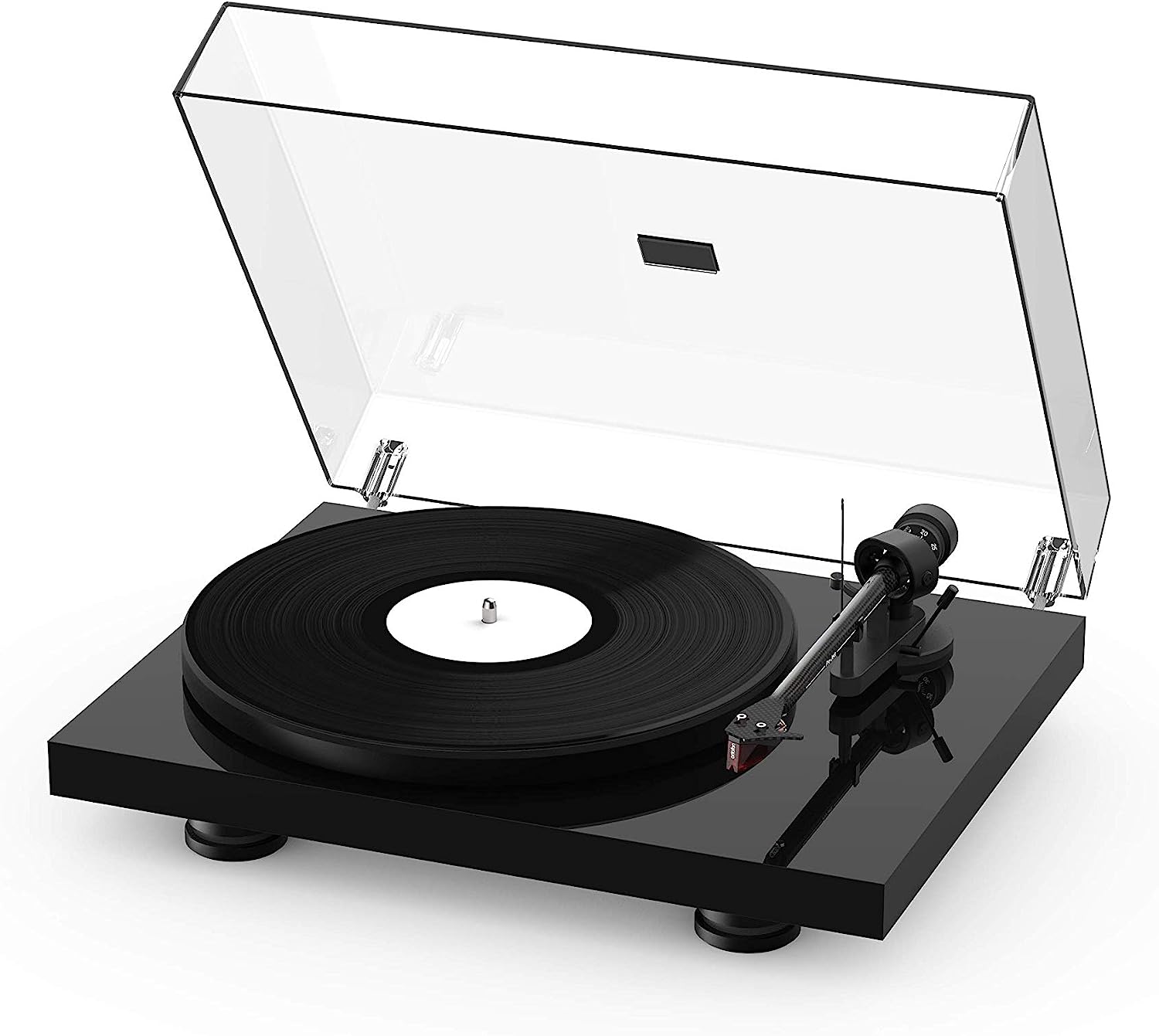
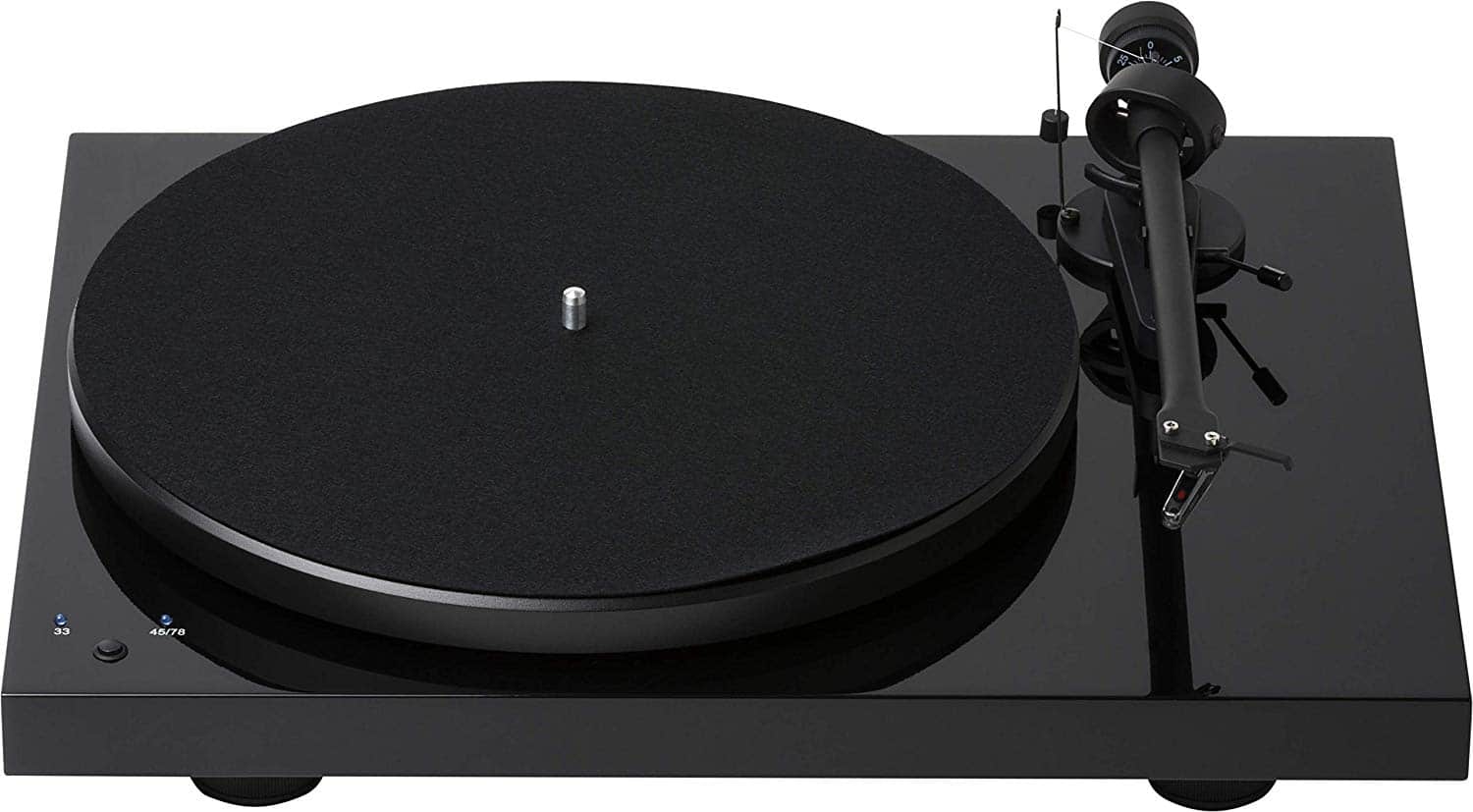
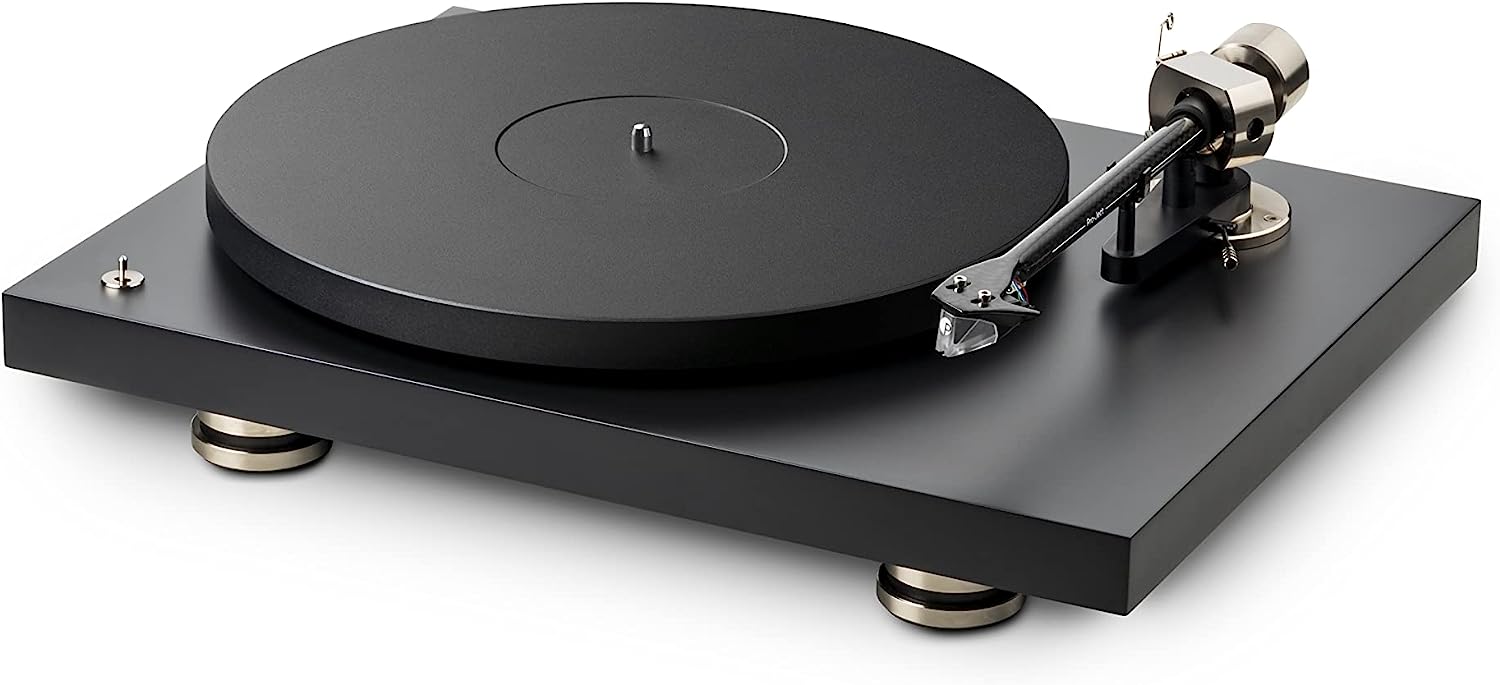
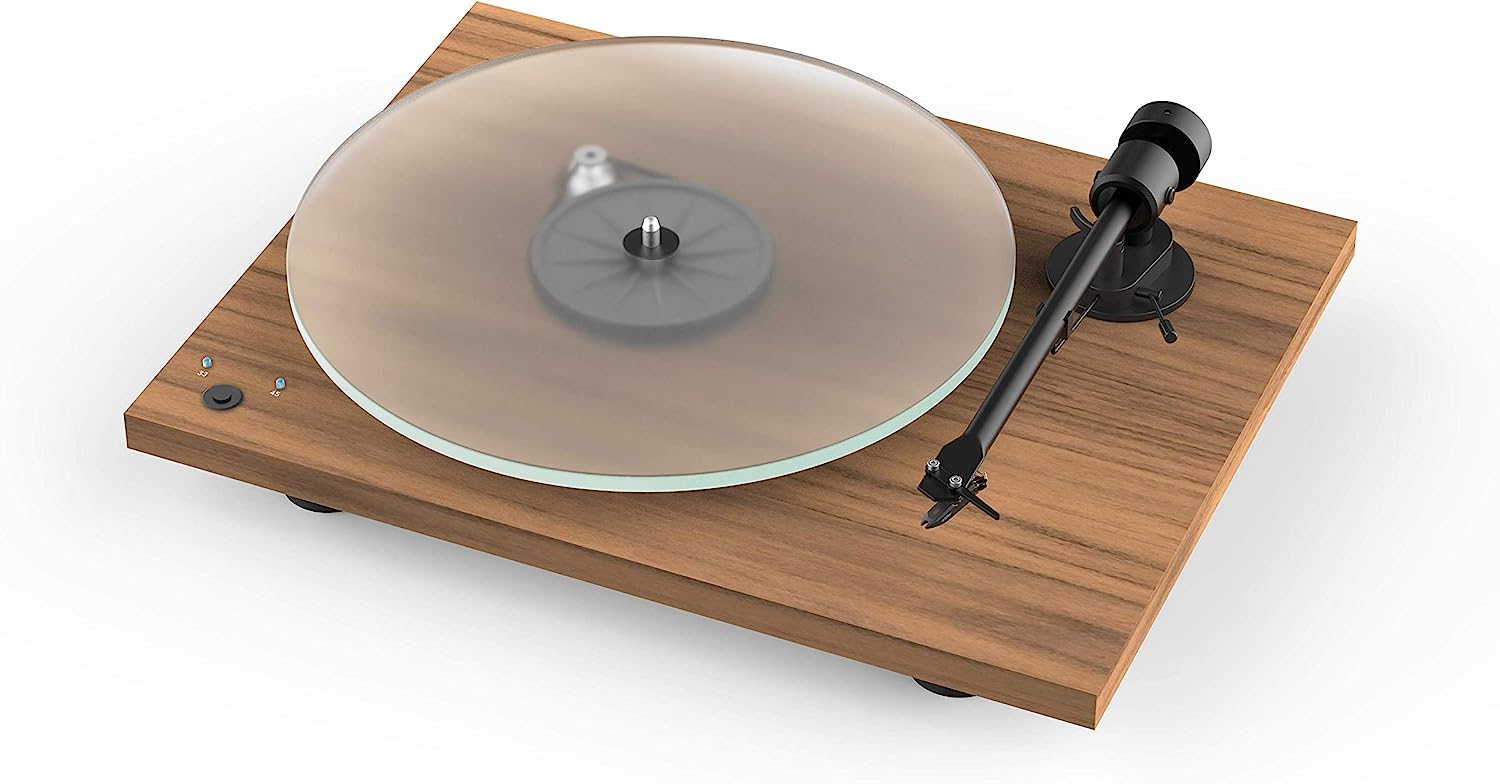
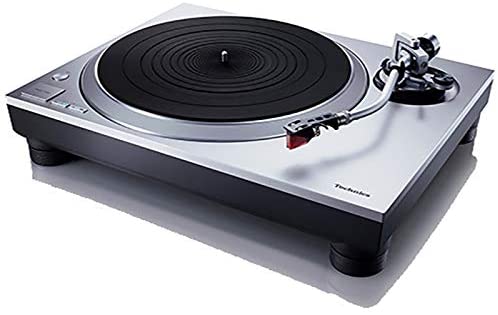
The Primary E follows a traditional rectangular turntable layout with a plain, minimalist look. Its unsuspended belt-drive design uses a 300 mm platter with a felt mat, vibration-absorbing feet and a compact footprint that should suit small hi-fi systems.
Construction is focused on the essentials rather than luxury detailing. The deck uses a composite-fibre chassis, stainless-steel bearing parts and an 8.6-inch lightweight aluminium tonearm, with a pre-mounted Ortofon OM moving-magnet cartridge.
The overall presentation is clean and no-nonsense, but it should not be mistaken for a premium-finished deck. Professional coverage has noted its simple plinth construction and slightly sharp chassis edges, so buyers prioritising furniture-grade finish may want to compare alternatives.
Controls are deliberately basic. The user starts the motor, cues the arm and changes speed manually, while the supplied dust cover with adjustable hinges gives practical protection when the deck is not in use.
Features
The most important feature is the pre-mounted Ortofon OM moving-magnet cartridge. It gives the Primary E a proper hi-fi cartridge platform rather than the generic ceramic cartridges often found on cheap all-in-one players.
Pro-Ject’s plug-and-play approach also includes pre-adjusted tracking force and anti-skate. That reduces the initial setup burden for beginners, although the stylus, tonearm and records still need careful handling.
This model has no built-in phono stage, which is a key buying point rather than a minor detail. It must feed an MM phono input or an external MM phono preamp, and it is distinct from the Primary E Phono, which adds a built-in phono stage.
There is no Bluetooth, USB recording, automatic start or automatic arm return. The design puts the budget into the deck, arm and cartridge rather than extra convenience features.
Setup
Setup is designed to be approachable for a first proper turntable. The buyer fits the platter and felt mat, loops the belt around the correct pulley step, fits the dust cover, removes the stylus guard, connects the captive RCA cable and attaches mains power.
Because the cartridge and tonearm settings are supplied pre-adjusted, there is less to configure than on many traditional decks. The included stylus pressure gauge and Allen key are useful, but cartridge replacement or more advanced alignment still requires care.
The main setup trap is connectivity. If the amplifier lacks an MM phono input, an external MM phono stage is required before the Primary E can be used with line-level inputs or most powered speakers.
Performance
Day-to-day operation is fully manual. You select 33 or 45 rpm by moving the belt on the stepped motor pulley, start the motor yourself, lower the tonearm with the cueing lever and lift it at the end of a side.
The belt-drive system uses a synchronous motor and official figures list speed variance of 0.8% at 33 rpm and 0.7% at 45 rpm, with wow and flutter stated at 0.29% and 0.27% respectively. These figures place it firmly in entry-level hi-fi territory rather than in the world of heavier, more sophisticated decks.
Connectivity is simple but restrictive. The directly soldered RCA phono cable is intended for an MM phono input, so ordinary AUX, CD, tuner or tape inputs are not suitable unless a separate phono stage is added.
Its lack of automation may appeal to purist listeners, but it does mean more involvement. Households wanting push-button playback, auto-return or wireless speaker pairing should look elsewhere.
Sound quality
Based on its supported design and cartridge information, the Primary E should offer a cleaner and more stable route into vinyl than many suitcase-style or plastic all-in-one record players. The combination of a proper MM cartridge, counterweighted tonearm and separate hi-fi amplification is the main reason to consider it.
Professional review evidence consistently describes it as lively, enjoyable and balanced for an entry-level deck. It is likely to suit listeners who value rhythm, clarity and straightforward musicality over extra features.
There are natural limits. The supplied Ortofon OM cartridge uses a spherical stylus, and the deck’s lightweight entry-level construction is not aimed at extracting the last word in detail, soundstage depth or end-of-side tracking refinement.
System matching also matters. A poor phono stage, unstable furniture or dirty stylus can hold it back, while a sensible MM phono input, clean records and stable placement should help it perform as intended.
Pros
- Proper hi-fi-style belt-drive design rather than an all-in-one record player Pre-mounted Ortofon OM moving-magnet cartridge Pre-adjusted tracking force and anti-skate reduce beginner setup errors Simple manual operation keeps the design focused on core playback
- Compact, minimalist appearance suits small hi-fi systems Dust cover is supplied
- Works well for systems that already include an MM phono input
Cons
- No built-in phono stage on this non-Phono model No
- Bluetooth, USB, automatic operation or built-in speakers Speed changes require moving the belt by hand Limited upgrade potential compared with higher-tier turntables Plain finish and entry-level construction may not suit buyers wanting a premium feel Requires stable placement and suitable supporting equipment
Verdict
The Pro-Ject Primary E Record Player is a focused entry-level hi-fi turntable for buyers who want the essentials done properly. Its appeal lies in the manual belt-drive layout, pre-mounted Ortofon OM cartridge and simple construction, not in modern convenience features.
The main caution is system compatibility. If you do not already have an MM phono input, the cost and space for a separate phono stage should be part of the buying decision.
For the right system, it is a credible alternative to feature-heavy cheap record players and a sensible first step into separates-based vinyl playback. If you want more upgrade scope, electronic speed control or easier connectivity, it is worth comparing the next level of Pro-Ject, Rega or convenience-led alternatives before buying.